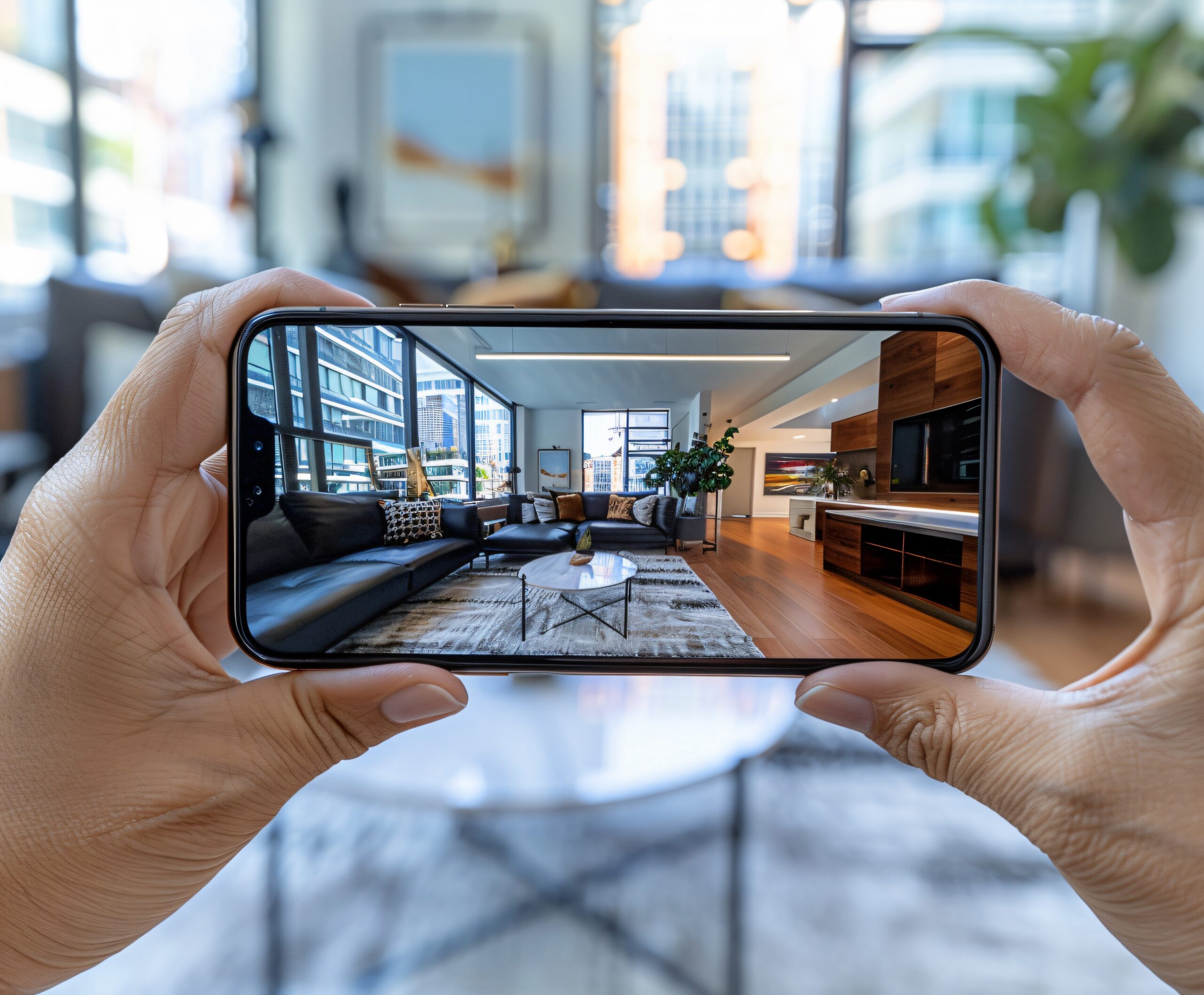
Have you scrolled through a listing of real estate and felt that déjà vu? That same perfectly staged living room, perfect pictures of the kitchen, and a backyard that somehow looks similar to others—then probably it is. Let’s be honest, we have all been there. And, after a while, everything starts to blur together. This is where drone photography changes the game. Thanks to professional drone photography for real estate, any listing can have that same stunning perspective. But here’s the real kicker: it’s not just about making things look pretty. This technology is completely reshaping how we market homes and what buyers see.
What exactly is drone photography in real estate?
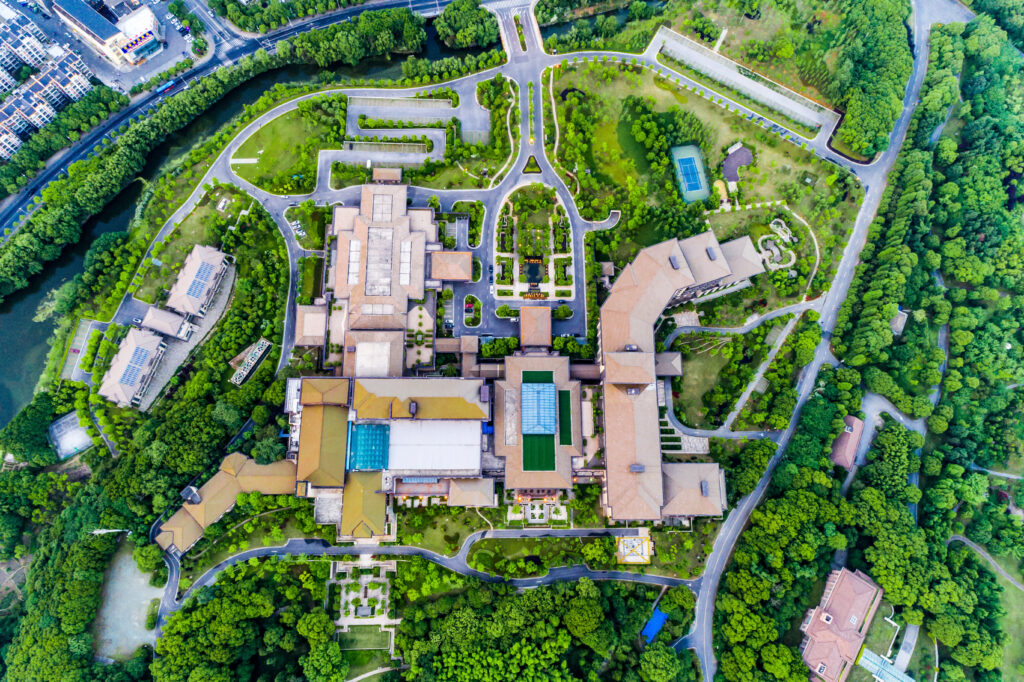
Drone photography, or aerial photography, is a technique used to shoot your property, your house, captured from a bird’s-eye view. In professional real estate photography, they use unmanned aerial vehicles (UAVs) with high-resolution cameras to capture unique aerial photos and videos of your property. These aerial views can highlight the house layout, the lot size, the exteriors of the house, landscaping, roof condition, and surrounding features such as nearby parks, waterfronts, roads, or neighborhood layout. For buyers, this creates a clear understanding of the entire house. More importantly, drone photography adds context. By showing how property fits into the environment.
Why is drone photography a must-have?
First off, drone shots provide an unparalleled aerial perspective that highlights the best features of a property and its surroundings. While a traditional photo might show a beautiful photo of a backyard, a drone shot shows how it connects with the surroundings. One of the major perks of drone real estate photography is its ability to capture the entire property in a stunning frame. This is especially useful for large-scale residential and commercial spaces. Drone shots also make listings stand out in the crowded market. In a listing filled with traditional real estate photos, aerial shots can be a real game-changer. They convey a sense of luxury and exclusivity, even for mid-range homes. Sellers love this because it often brings higher offers. And from a practical standpoint, drones reveal the property’s true condition. Another win? Emotional engagement! Buyers today are looking for something more than just footage of the house; they want to envision themselves in the house, and drone shots can create cinematic shots that induce that emotional feeling.
How does drone photography for real estate help in real estate marketing?
From a marketing perspective, drone shots give a clearer edge to the listing. In a fast-paced market where properties can linger if they don’t have an outstanding appeal, aerial shots for your property are complete gold. For real estate agents, it’s a branding tool; studies show that 94% of properties attract more views when agents use drone photography. According to the businesssearchcompany global real estate drone services market report 2025, the real estate drone market size is projected to hit $1.09 billion by 2029, growing at 17.5% annually. It’s clear this trend is here to stay.
Conclusion
Drone photography has completely changed the way that real estate properties are presented and perceived. Indeed, it’s a fast-paced market, and buyers make their decisions within minutes, and traditional photos no longer capture their attention. Aerial imagery adds depth, clarity, and context, allowing buyers to understand not just the home but also its surroundings, layout, and overall appeal at a glance. As we have explored, the benefits are undeniable: homes with drone imagery sell faster, attract more online views and showings, justify higher prices, and position agents as innovative pros in a crowded market.
FAQs: Frequently Asked Questions
Ques1. Is drone photography worth it for smaller homes?
Ans. Absolutely, small properties benefit from drone shots, as they show the complete layout of the house and the neighborhood. Making your home feel more elegant and attractive.
Ques2. Can drones be used indoors?
Ans. Rarely, most of them are designed for outdoors. It’s better if you stick to exterior and aerial views, and for interiors, you can make use of other technologies like Matterport 3D tours, virtual staging, and much more.
Ques3. Does the weather affect drone photography sessions?
Ans. Yes, weather plays a big role. High winds, rain, or poor visibility can impact safety and image quality. Professional drone photographers will always plan shoots around weather conditions to ensure the best results.