When a high-end property goes on the market, buyers form their first impression on a screen. Professional photography is often what decides whether they book a showing or keep scrolling. This article covers the techniques photographers use to present luxury real estate at its best, from composition and lighting to drone work, virtual staging, and editing.
Key Takeaways
- Luxury real estate photographers combine composition, specialized lenses, and lighting techniques to convey space, detail, and quality.
- HDR imaging balances bright and dark areas so windows, shadows, and textures all look natural.
- Drone photography shows a property’s architecture, grounds, and surroundings from angles a ground-level camera can’t reach.
- Virtual staging lets buyers picture how an empty room could be furnished and lived in.
- Editing should refine an image, not misrepresent the property.
The Foundations of Luxury Real Estate Photography Composition
Strong composition makes a photo feel balanced and intentional. Two common tools are:
- The rule of thirds. Photographers imagine a grid dividing the frame into nine equal parts and place key features, such as windows, doorways, or a fireplace, along the lines or their intersections.
- The golden ratio. This proportion guides the placement of horizons and architectural elements so the image feels naturally harmonious.
Choosing the Right Lens
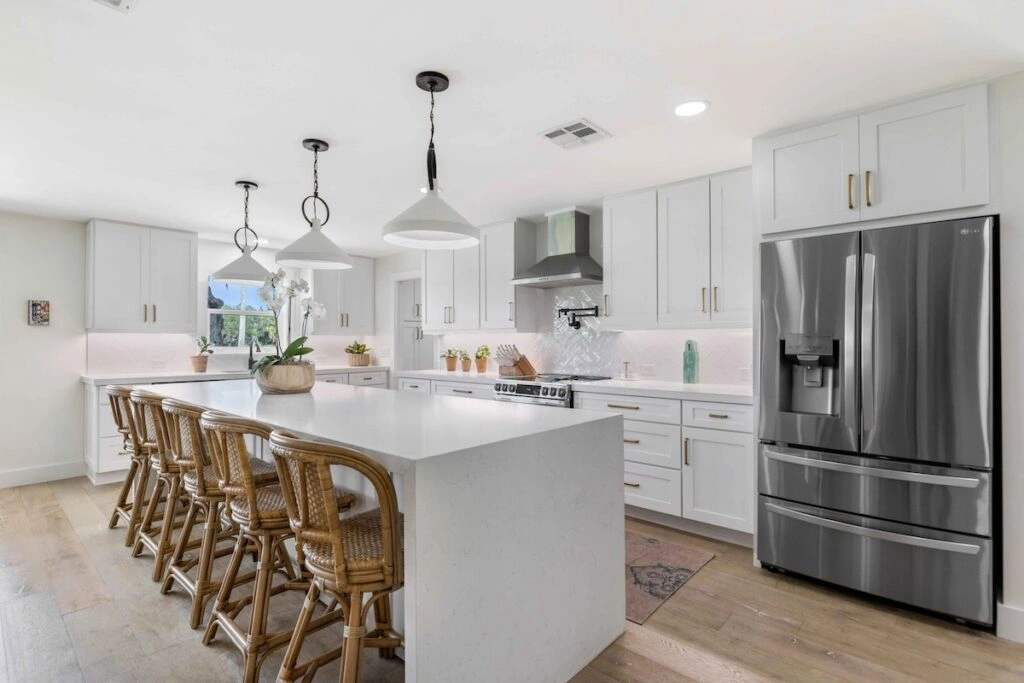
- Wide-angle lenses capture whole rooms and give a sense of scale and flow, which matters in large, open-plan homes.
- Macro and detail lenses capture close-ups of craftsmanship, such as marble veining, hand-finished woodwork, or custom fixtures.
Highlighting Features and Details
Detail shots communicate quality in a way wide shots can’t. Close-ups of joinery, high-end hardware, and finishes appeal to buyers who care about craftsmanship, while wide shots feature major selling points like a fireplace or a sweeping view. Thoughtful staging adds warmth and shows how the space might be used.
Advanced Techniques
HDR Imaging
Interiors are hard to photograph because a bright window and a dim corner can be in the same frame. High dynamic range (HDR) photography solves this by taking several shots of the same scene at different exposures, typically one underexposed, one properly exposed, and one overexposed. These are blended into a single image with detail preserved in both highlights and shadows.
The result is a photo that looks closer to what the human eye sees: window views stay visible, and textures like flooring and wood grain remain clear. HDR is most effective when done with restraint, since over-processed HDR can look artificial.
Aerial and Drone Photography
Drones give photographers elevated viewpoints that show a property in context. They are especially useful for:
- Exterior architecture and rooflines
- Large lots, gardens, and pools
- Proximity to water, golf courses, skylines, or other features that add value
Drone work usually requires proper licensing and compliance with local aviation rules, so it is best left to qualified operators.
Virtual Staging
Empty rooms can be hard to judge. Virtual staging uses software to add furniture and décor to photos of vacant spaces, helping buyers understand scale, layout, and potential. It is generally faster and less costly than physical staging.
Transparency matters here. Listings should disclose when images are digitally staged so buyers aren’t misled about what is included.
Twilight Photography
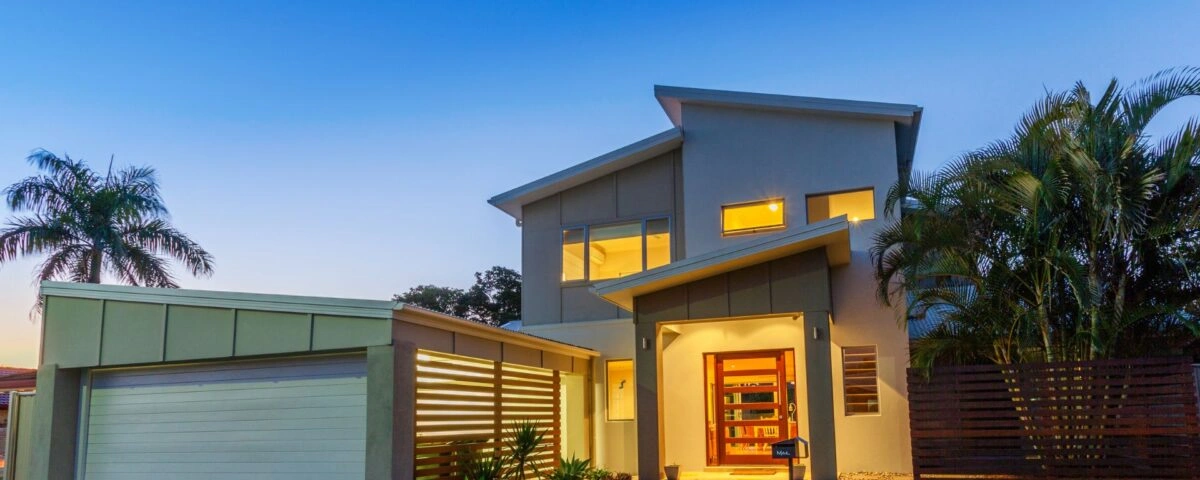
Twilight shoots take place around dusk, when the sky still has color, and the home’s interior lights are on. The balance of warm indoor light and deep blue sky creates an inviting atmosphere that suits luxury listings. It takes careful timing and exposure control, because the window for the right light is short.
Editing and Post-Production
Post-production turns raw captures into finished images. Common tasks include white balance correction, contrast and exposure adjustments, color refinement, and sharpening.
The guiding principle is accuracy. Over-editing, such as heavy saturation, exaggerated contrast, or inconsistent white balance, can make a home look different from reality. That can frustrate buyers at showings and damage trust in the listing.
The Role of AI Tools
AI-assisted editing is increasingly common in real estate photography. These tools can:
- Correct exposure and balance colors automatically
- Remove minor distractions, such as clutter or blemishes
- Replace dull skies
- Speed up turnaround by handling repetitive edits
They save time, but results still need a human eye to keep them realistic and consistent with the actual property.
Why Image Quality Matters
Capturing Buyer Attention
Most buyers begin their search online, and photographs are one of the first things they look at. Strong images help a listing stand out in a crowded market, hold attention longer, and encourage buyers to imagine themselves living in the home.
Shaping Perceived Value
Professional photography influences how buyers perceive a property’s worth. Polished, well-lit images signal quality and exclusivity, and buyers may be more willing to engage seriously with a listing that looks well presented. Photography alone doesn’t set a price, but it strongly shapes the first impression that price is judged against.
Conclusion
Luxury real estate photography blends artistic skill with technical methods. Composition, HDR, drone imagery, virtual staging, and twilight shoots each highlight a different strength of a property, and careful editing keeps the final images realistic. Together, they help sellers present a home accurately and attractively to the buyers most likely to value it.
Frequently Ask Questions
What is HDR imaging, and why do luxury real estate photographers use it?
HDR (high dynamic range) imaging combines three photos taken at different exposures — overexposed, underexposed, and standard — into one balanced shot. This lets photographers capture detail in both bright windows and dark corners without losing realism, so features like floor textures and wood finishes stay visible while lighting looks natural.
How does virtual staging help sell a luxury property?
Virtual staging uses home staging software to digitally add furniture and decor to empty rooms via 3D room rendering. This helps buyers visualize a space’s potential and creates an emotional connection to the home, though ethical practice requires disclosing that the images have been digitally altered.
Why is twilight photography effective for high-end listings?
Twilight (or dusk) photography balances a property’s ambient indoor and outdoor lighting to create a warm, luxurious atmosphere. It’s technically trickier than daytime shots, but a skilled photographer can use it to evoke elegance and coziness that daylight images often can’t capture.